· 5 min read
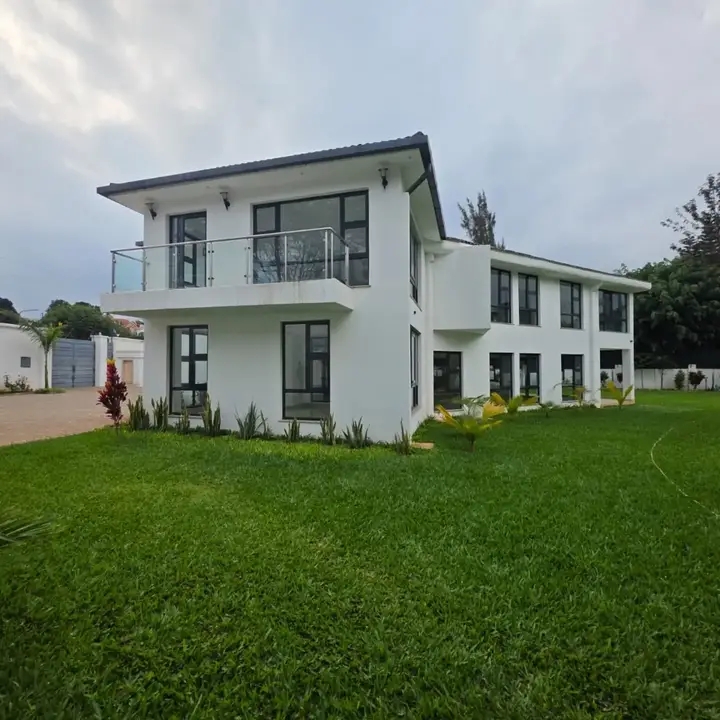
The best gardens here are not copies of magazine spreads. They respond to strong sun, heavy seasonal rain and the fact that outdoor living is comfortable most of the year.
Make an outdoor room
A shaded seating area with a solid surface underfoot turns a garden from something you look at into somewhere you spend time. Place it where it catches morning or evening light rather than midday sun.
Layer your planting
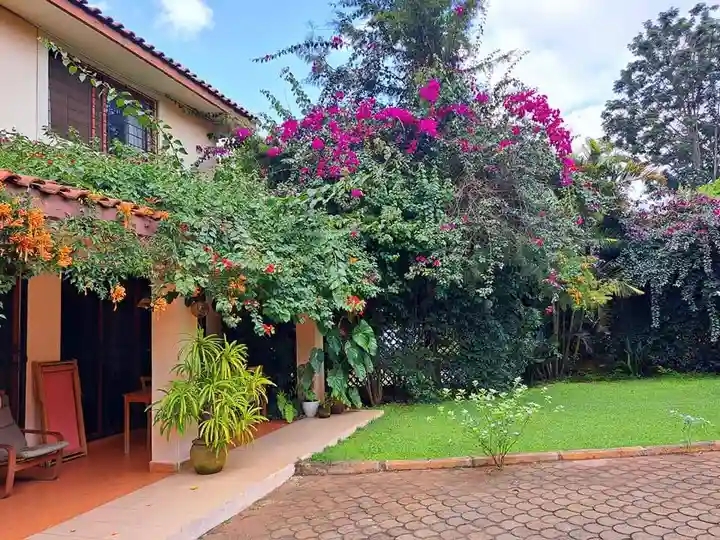
Plant in three rough tiers: ground cover at the front, mid-height shrubs and grasses behind, and taller structural planting or small trees at the back. The bed gains depth and hides bare soil.
- · Ground cover to suppress weeds and hold moisture
- · Ornamental grasses for movement and texture
- · Flowering shrubs for seasonal colour
- · A small tree or two for shade and structure
Define your edges
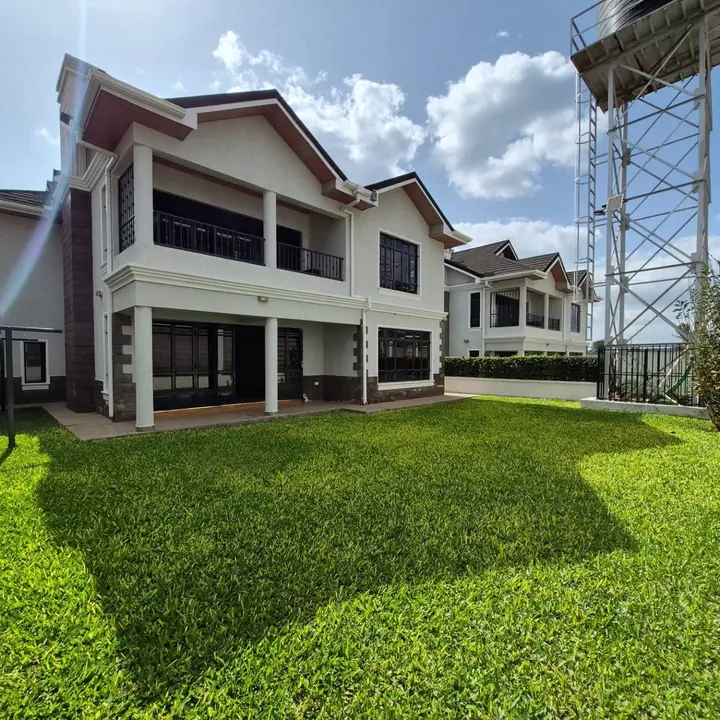
A crisp edge between lawn and bed does more for a garden's appearance than almost any other detail. Kerbing, stone or a cleanly cut edge instantly makes the space look intentional.
Design for both seasons
Plan drainage for the heaviest rain and planting for the driest weeks. Gravel channels, gentle falls away from the house and drought-tolerant species keep the garden usable all year.
Use the walls
Boundary walls are prime garden real estate. Climbers, wall-side raised beds and simple finishes turn a plain perimeter into a green backdrop.
Need help with garden design?
Thoughtful garden design that balances planting, paths, seating and open space so your garden looks beautiful and works the way you need it to.