· 6 min read
Most people start with pictures. That is a fine place to begin, but a design only works if it fits the ground it sits on. Before you commit to a look, spend some time understanding your own compound.
Start with how you use the space
Walk the compound and note what already happens there. Where do people park? Where do children play? Which corner catches the evening breeze? Which path gets used even though there is no path?
A landscaping design that ignores these habits is fought against every day. One that follows them feels natural from the first week.
Read the site before you choose plants
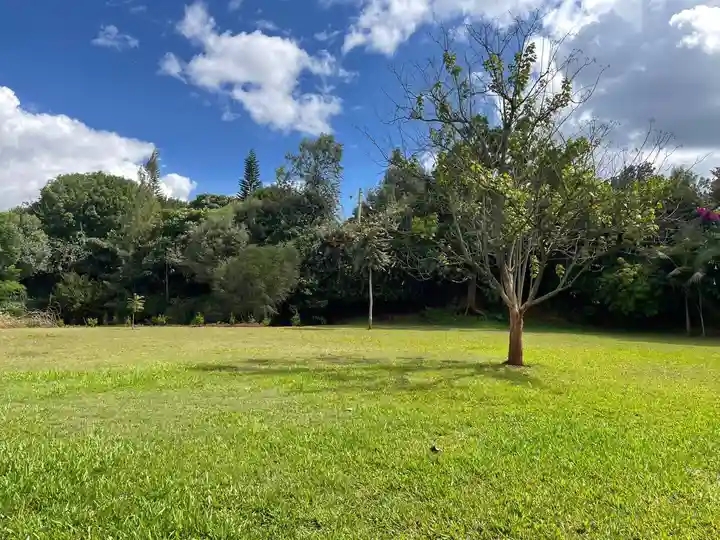
Sunlight, drainage and soil condition decide what will thrive. A bed that sits in full afternoon sun needs different planting from a shaded strip beside a wall, and a low corner where water collects after rain needs planting that tolerates wet feet.
- · Track which areas get morning sun and which get harsh afternoon sun
- · Watch where water runs and pools after heavy rain
- · Check whether the topsoil is deep or thin over murram
- · Note existing trees worth keeping — mature shade is hard to replace
Divide the compound into zones
Rather than treating the whole plot as one problem, split it: the arrival area seen from the gate, the open lawn, the private sitting area, the service and drying yard. Each zone has a job, and each can be designed and even built separately.
Zoning also makes phasing possible. You can finish the frontage first and return to the back garden later without the result looking unplanned.
Balance greenery with hard surfaces
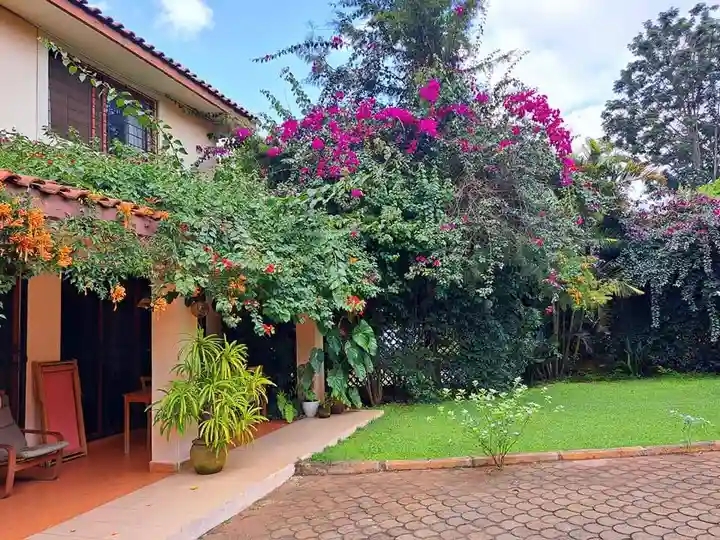
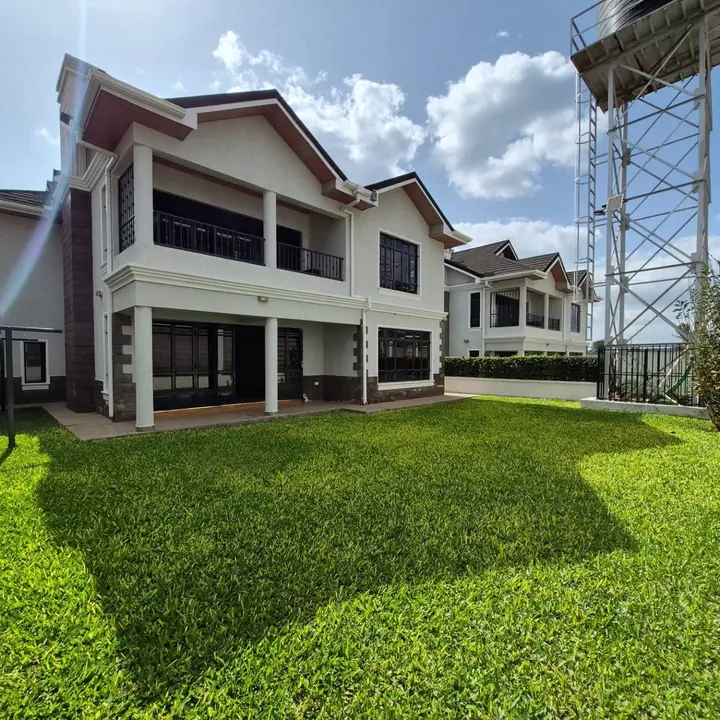
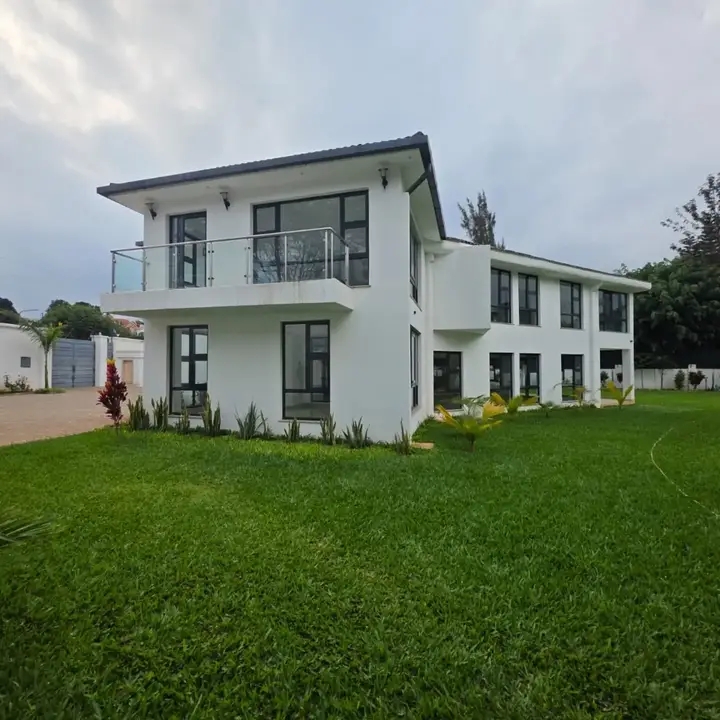
Lawn alone can feel empty and every surface paved feels harsh. Good landscaping mixes lawn, planted beds, pathways and a few structural elements so the eye has something to follow.
Boundary walls count here too. A long blank wall is often the biggest surface in a compound, and treating it as part of the design changes the whole feel of the garden.
Plan for maintenance from day one
Every design carries a maintenance load. Tightly clipped hedges and wide flowering beds look excellent and need regular attention; simpler planting with good ground cover asks for less.
Be honest about who will care for the garden. If nobody at home has the time, plan a simpler scheme or arrange regular garden maintenance visits so the work does not pile up.
Need help with landscaping?
Full landscaping for homes and businesses — ground preparation, lawns, planting, pathways and finishing that turn plain compounds into welcoming outdoor spaces.